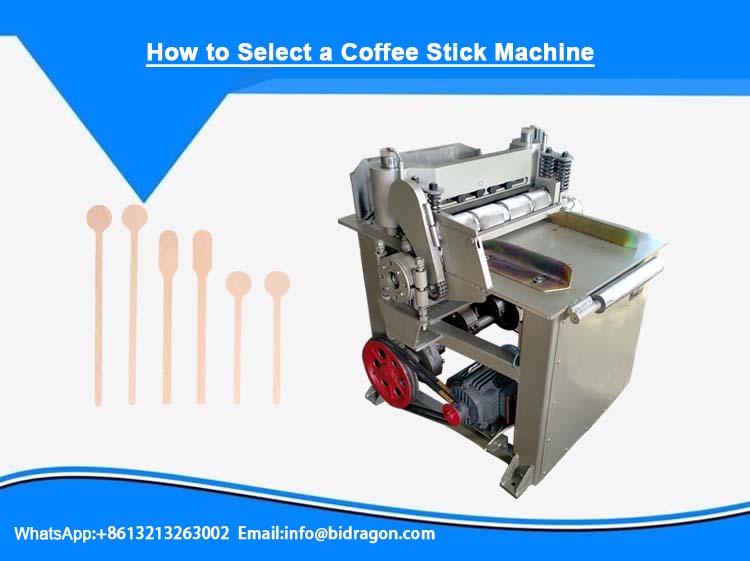
1. Don't just look at the maximum capacity; focus on stable capacity.
Many sellers advertise their highest speed under ideal laboratory conditions. In actual production, to ensure a high yield rate and reduce waste, machines typically operate at around 90% of their rated speed. When asking the seller, directly ask, "What is the stable long-term production speed?"
2. Have a 20%-30% capacity redundancy.
If your current demand is 10 million beans per month, don't choose a machine that just meets that capacity. Consider future order growth and equipment maintenance time, and choose a model capable of handling 12-13 million beans. This ensures less production pressure and a longer machine lifespan.
3. Pay attention to the universality and cost of consumables and accessories.
Die head: Is it a standard part? What is the customization cycle and price? Is replacement easy?
Packaging paper/filter paper: Are the machine's requirements for paper specifications (grammage, width, core) stringent? Are paper suppliers readily available? What are the purchasing channels and prices for vulnerable parts such as heating elements, seals, and cutters?
4. After-sales service and technical support are paramount. Coffee stick processors are precision equipment; installation, commissioning, and subsequent maintenance are extremely important.
1. Do you provide on-site installation, commissioning, and operation training?
2. What is the warranty period? Are the warranties for key components different?
3. What is the response time in case of a malfunction? Can you provide remote video guidance?
4. Are there any operational case studies? Does the factory provide on-site machine service?
5. Do you provide an instruction manual?
6. Do you provide operation training services?
7. Do you provide remote online technical video services?
|
Production scale/demand |
Recommended production capacity range |
· Automation degree |
Core focus |
|
initial stage of pioneering |
1000 - 3000 pics/hour |
Semi-autoamtic |
Low investment cost, simple operation, and high flexibility. A certain amount of human participation is acceptable. |
|
Small and medium-sized food factories |
5000-15000 pics/hour |
Full automatic |
Stability, cost performance, energy consumption, and consumable costs. After-sales service must be reliable. |
|
large factory |
20000 pics/hour |
Fully automatic with a big capacity |
Extreme production capacity, long-term stability, consistency of weight accuracy, and intelligent data monitoring. The after-sales team must be professional and efficient. |





