Generally speaking, birch, poplar and basswood are ideal for making popsicle sticks. Birch wood is moderately hard, ensuring strength without breaking easily. It can support the popsicle stick steadily, so that consumers can enjoy the delicious flavour without worrying about ' falling apart’. Poplar wood is relatively affordable in cost and stable in performance, which makes it suitable for manufacturers pursuing cost-effective. Different wood has its own characteristics, manufacturers need to choose based on their own product positioning and cost budget. For example, the main high-end products, quality requirements of manufacturers, can choose birch; if the market, poplar is a good choice.
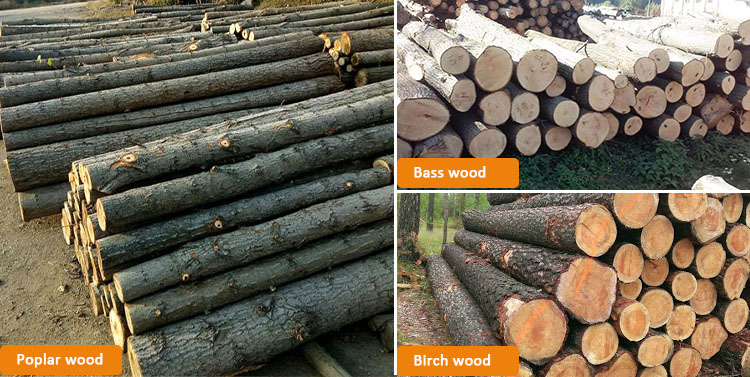
No scars, no cracks, no insects, this is the most basic requirements for wood. Defective wood will make popsicle sticks much less strong and affect their appearance. At the same time, pay attention to the uniformity of the colour of the wood. If the colour is abnormal, it may imply that there are hidden quality problems with the wood, such as moisture and deterioration.
Wood humidity is like a double-edged sword, too high easy mould, deform, too low and will be too dry and fragile. Through professional humidity measuring instruments, the humidity of the wood will be controlled in the appropriate zone, laying a good foundation for subsequent processing. Generally speaking, it is recommended to keep the humidity level of wood for making ice-cream or popsicle sticks at around 8%.
According to the production requirements, the length, width and thickness of the popsicle stick should be clearly defined to ensure that the selected wood can meet the dimensional requirements, and that the dimensional deviation is as small as possible. Stable and accurate dimensions can help improve production efficiency and reduce defective products. For example, automated production lines require a high degree of consistency in the dimensions of popsicle sticks, and accurate dimensions can avoid problems such as jams and blockages in the production process.
With the growing awareness of environmental protection, choosing timber from sustainable forests is not only in line with the green trend, but also enhances the image of the company, and FSC certified timber is a strong endorsement of environmental protection, so that consumers can eat with confidence.
Suppliers with good reputation and credibility are often able to provide consistent quality and standardised materials. When choosing a supplier, refer to the experience of other manufacturers, make on-site visits, or ask for samples for testing to ensure reliable quality at the source.
High-precision cutting equipment is the key to quickly and accurately cut the wood to the required size with less error. Advanced cutting technology not only ensures that the size of the popsicle sticks meets the standard, but also improves production efficiency and saves time for subsequent processes.
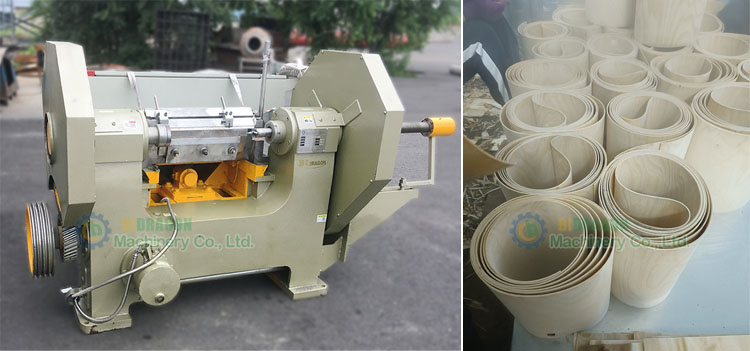
Multiple polishing to remove burrs and wood chips, so that the surface of the ice-cream stick is smooth and even, bringing a comfortable experience to consumers. The quality of polishing is directly related to the feel and safety of the product. Burrs may scratch consumers' mouths or hands, so the polishing process must be rigorous.
Sterilisation is essential for direct contact with food. Adopt suitable disinfection process, such as high temperature disinfection and ultraviolet ray disinfection, to kill microorganisms and ensure the hygiene and safety of popsicle sticks. Strictly controlling the number of microorganisms can effectively reduce the risk of product contamination and protect consumer health.
According to the market demand, special processes such as hot stamping and laser coding can be introduced to add personalised elements to the popsicle sticks. For example, brand logos, interesting patterns or promotional phrases can be printed to enhance product recognition and added value.
Manually or with the help of a visual inspection machine, ice-cream bars are checked for burrs, pockmarks, contamination, odour and other problems to ensure that the appearance is up to standard. Appearance is the consumer's first impression of the product, and a clean, neat and flawless appearance can enhance the overall image of the product.
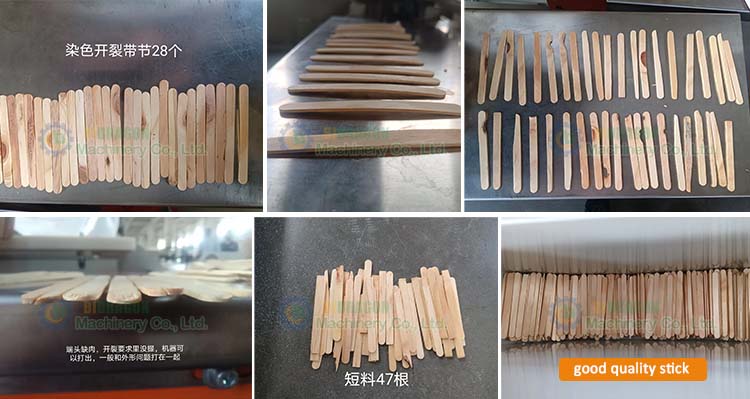
Regular sampling and measurement of dimensions, compared with standard specifications, timely adjustment of production equipment to ensure that the size deviation is within the allowable range. Accurate dimensions are conducive to the smooth progress of automated production, and can also ensure that the product is suitable for use.
The strength of the ice-cream bars is tested through professional equipment to simulate actual use scenarios and ensure that they can withstand a certain amount of pressure without breaking. Popsicle sticks with sufficient strength can provide reliable support for the ice-cream, avoiding awkward situations such as breakage during use.
Hygiene indicators such as microbiological counts, heavy metal content and formaldehyde emissions are tested to ensure compliance with food safety standards. For example, national standards have clear limit requirements for formaldehyde emission and heavy metal content, which must be strictly adhered to by enterprises to safeguard consumers' food safety.
Packaging materials that come into direct contact with the product need to comply with food hygiene standards and possess characteristics such as moisture resistance and firmness to protect the popsicle sticks from contamination and damage during transport and storage. For example, the use of food-grade plastic bags or cardboard boxes for packaging can ensure hygiene and provide a certain degree of protection.
Each box of product indicates the supplier's name, factory address, trademark, grade, quantity, factory date, shelf life and other information to facilitate traceability and management. Clear labelling helps consumers to understand the product information, and also facilitates quality control and after-sales service by enterprises.
Store popsicle sticks in ventilated, dry and hygienic warehouses, away from toxic, harmful and odourous goods, to prevent moisture and contamination. A suitable storage environment can prolong the shelf life of the product and keep the product quality stable. For example, control the temperature of the warehouse in the normal temperature range and the humidity around 50% - 60%.





